Close
Your shopping cart is empty


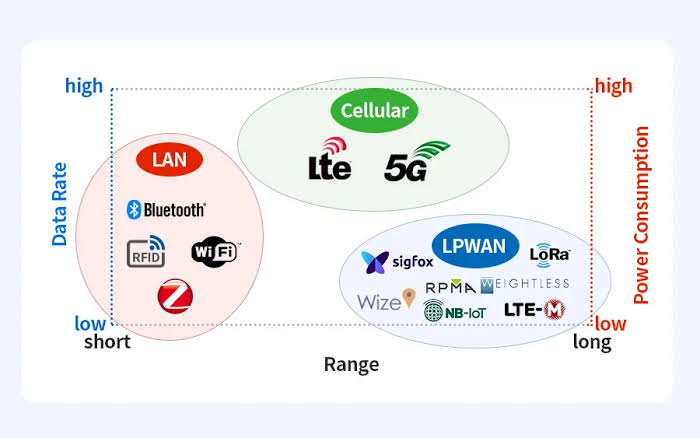
Compare Wi-Fi, Bluetooth, 4G/5G, LoRaWAN, NB-IoT and LTE-M by range, data rate and power needs to choose the right IoT connectivity and antenna.
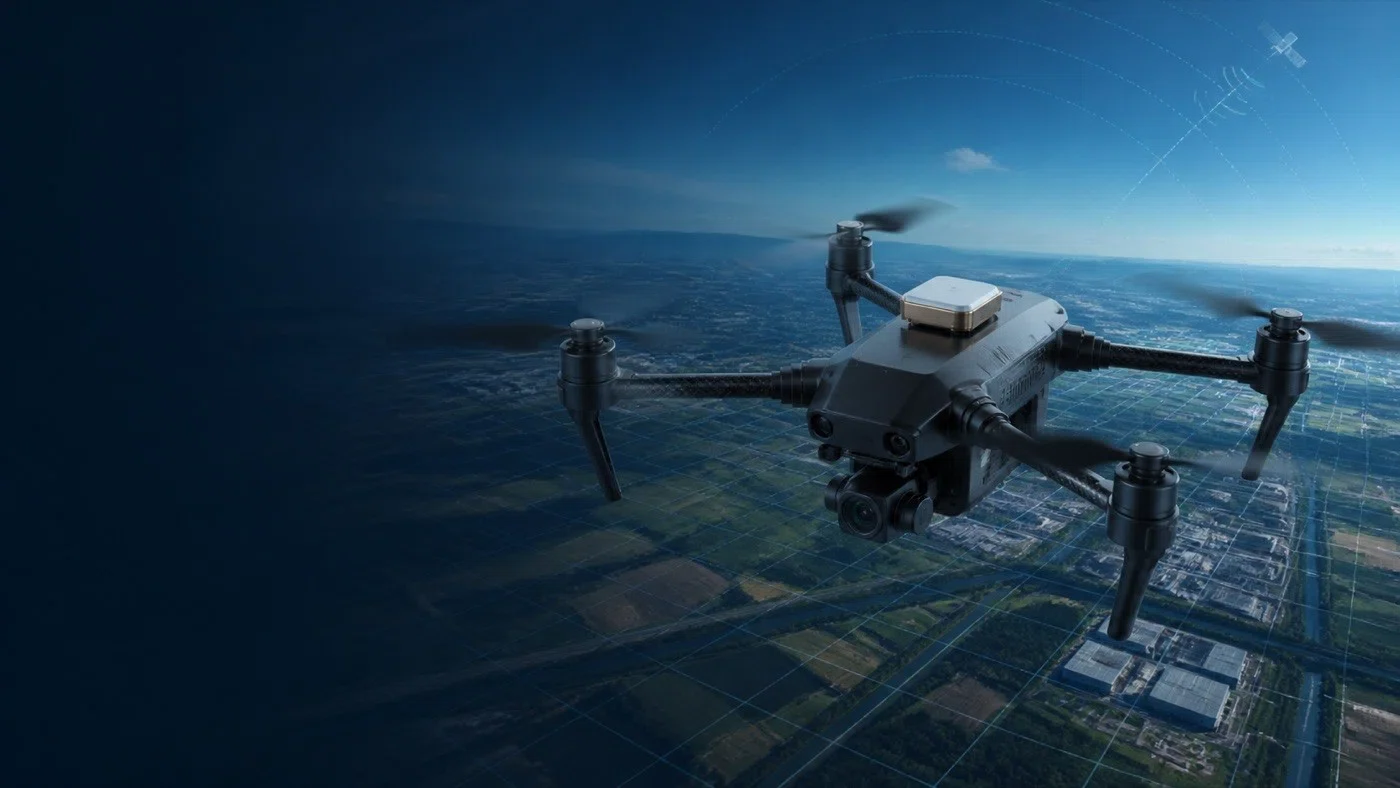
Compare drone GNSS, RTK, Wi-Fi, LTE/5G, and LPWAN by data rate, range, power, antenna placement, and RFQ requirements for UAV integration.
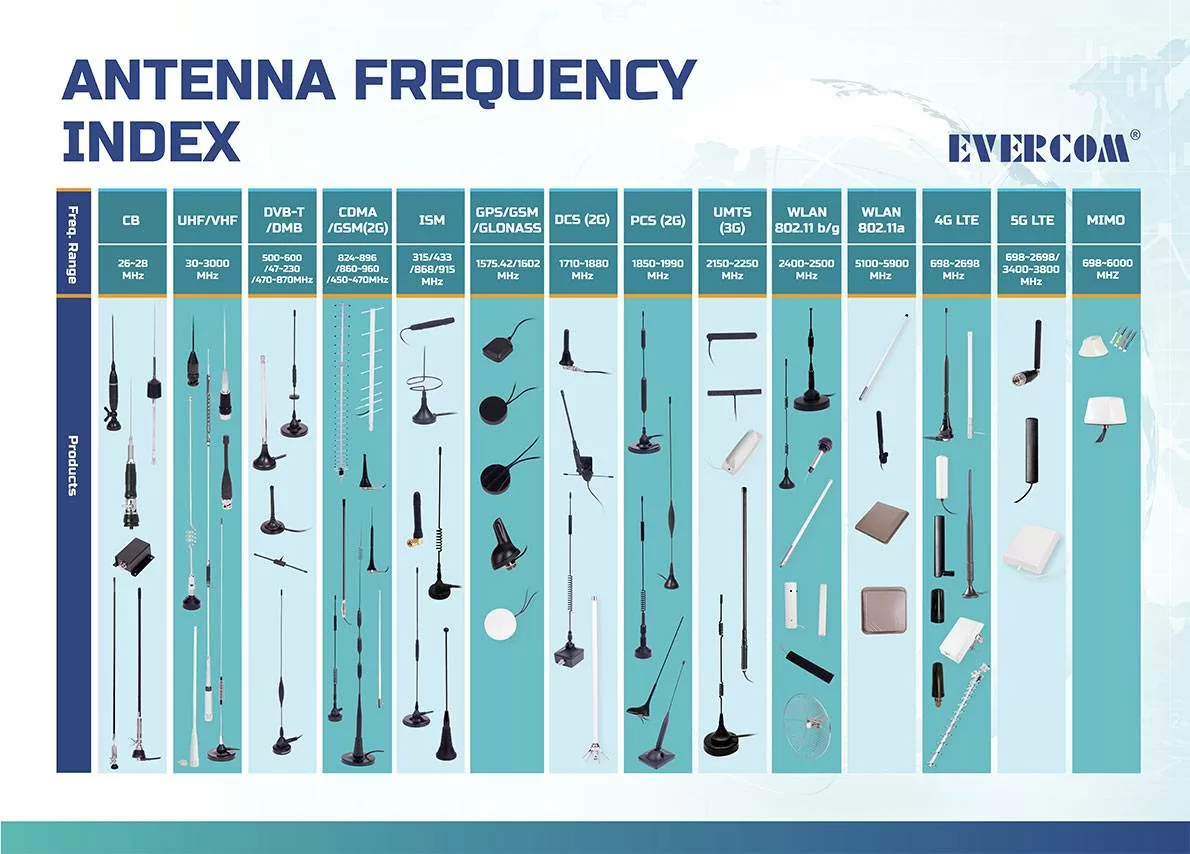
An antenna may look like a small component, but it directly affects how reliably a wireless device transmits and receives signals. A model that matches the nominal frequency may still perform poorly when the gain, radiation pattern, connector, cable, enclosure, or installation location does not fit the application.
Select a Wi-Fi 6E tri-band antenna by aligning 2.4, 5, and 6 GHz coverage with MIMO ports, internal or external placement, enclosure, cables, connectors, and target markets.
Plan a 4G/5G MIMO antenna system from modem ports and bands through 2x2 or 4x4 placement, isolation, enclosure, cables, testing, and RFQ preparation.
Plan GPS/GNSS and 4G/5G antenna integration for vehicles and IoT by comparing active and passive GNSS, separate and combination architectures, mounting, cables, connectors, environment, and RFQ requirements.
Compare OEM, ODM, and JDM antenna service models and follow the custom development workflow from requirements and integration through testing, approval, and production planning.